

The GPS Chronicles: Adventures in Space and Time 🌍🚀
Welcome to the magical world of GPS, where satellites float in the sky and finding your way is like a touch of digital magic! Prepare for an enjoyable journey into the fundamentals of Global Positioning System technology, blending humor with curiosity. Buckle up, as we’re about to embark on a thrilling exploration!
Once Upon a Time in Space… 🕰️
Think about this: During the Cold War, countries were trying to be the first to explore space. The U.S. Department of Defense wanted a good way to help the military find their way, so they sent the first GPS satellite into space in 1978. By 1995, the GPS system was working perfectly, changing how we find our way. Today, GPS is used all around the world and helps us every day. 📅
GPS: The Stellar Cast
Let’s meet the cast of this celestial performance:
-
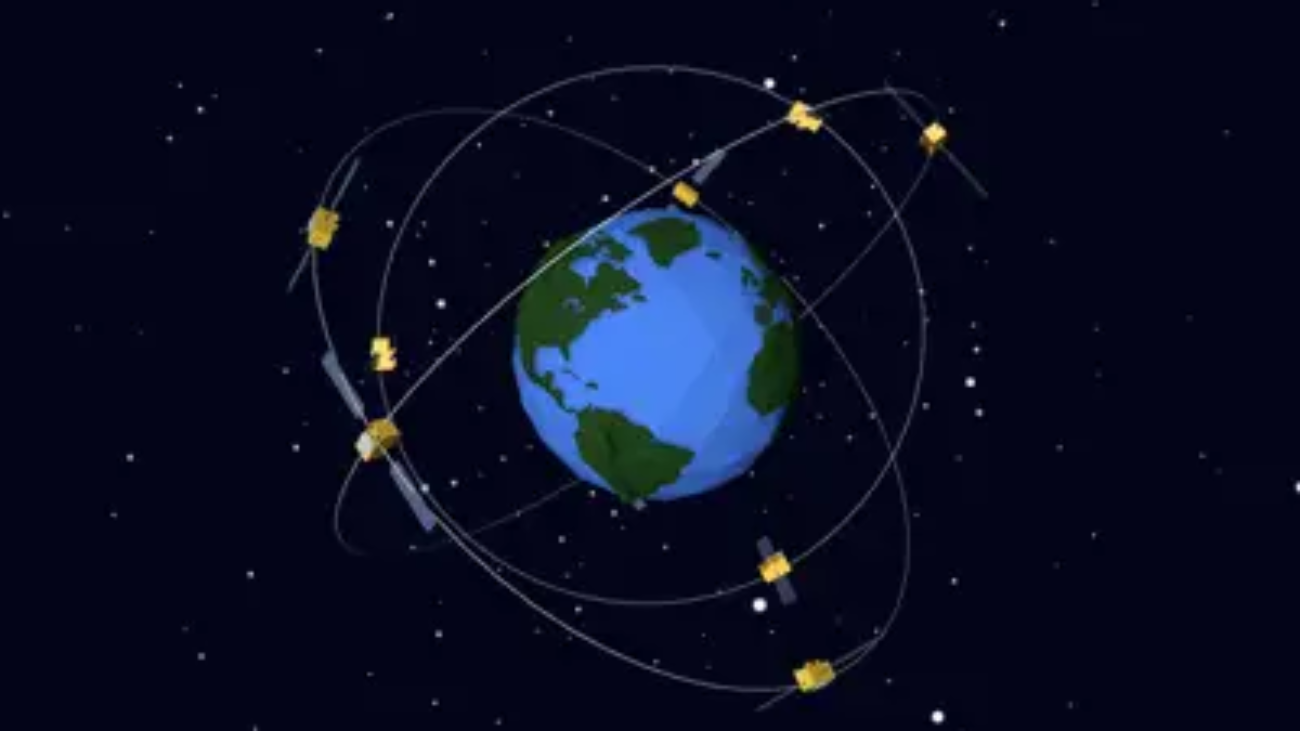
Satellites: Picture a magnificent cosmic dance where satellites circle the Earth with grace, each moving in perfect harmony like dancers in an orbital waltz. These celestial performers, numbering over 24, send out signals like a cosmic choir, guiding us across the vastness of our planet.
-
Ground Control Stations: Ground control stations work as careful conductors of this celestial orchestra, making sure each satellite stays in perfect sync. And we, the audience, receive these signals through our GPS devices, amazed by the precision and beauty of this cosmic performance.
-
User Receivers: From above, these satellites send down their messages, reaching GPS devices on the ground. Each signal is a note, combining to create a symphony of location data that our devices convert into exact coordinates. It’s like having a team of star guides always ready to show the way.
How Does It All Work?
Imagine you’re at a huge party that covers the whole world. Four friends (let’s call them A, B, C, and D) send you messages telling you where they are and when they sent them. By finding out how long it took for each message to get to you, you can figure out how far away each friend is. This helps you pinpoint your exact location on Earth!
The Magic of Triangulation
By using a technique called triangulation, your GPS device measures the distance from at least four satellites. With some clever calculations (which are also called algorithms), it determines your exact position, including your latitude, longitude, and altitude. It’s like having a team of space helpers guiding you on a treasure hunt!
Real-World Adventures with GPS
-
Navigation: Whether you’re a road trip enthusiast or a weekend hiker, GPS is your reliable guide. No more getting lost in the wilderness or taking wrong turns—just smooth travel from point A to point B.
-
Mapping: Making maps is now simpler than ever. GPS data is perfect for mapmakers, allowing them to accurately mark every corner of the Earth.
-
Timing: GPS isn’t just for finding places. It’s also a very accurate timekeeper, used for things like financial deals, phone calls, and even setting your morning alarm.
-
Search and Rescue: When someone is in trouble, GPS acts like a digital hero, helping rescue teams find people quickly and effectively.
-
Scientific Research: GPS helps scientists in many ways, from tracking the movement of Earth’s plates to studying how animals travel.
The Birth of a GPS Device
Creating a GPS device is like brewing a potion in a wizard’s lab:
-
Design and Development: Engineers craft the blueprint, combining hardware and software ingredients.
-
Component Sourcing: High-quality parts are chosen, each one important for how well the device works.
-
Assembly: In a spotless room (no dust allowed!), parts are put together carefully.
-
Testing: Every gadget is checked thoroughly to make sure it can find those satellite signals and work perfectly.
-
Quality Control: Any flaws are removed, and only the best gadgets are sent to stores.
-
Packaging and Distribution: The final products are packed with care and sent out to help explorers everywhere.
Challenges on the Cosmic Journey
Every epic tale has its challenges, and GPS is no exception:
-
Scalability Issues: As more devices connect, the network can slow down, like a traffic jam on the internet.
-
High Energy Consumption: Those satellite signals need a lot of power, making energy efficiency a constant goal.
-
Regulatory and Legal Hurdles: Dealing with international laws and regulations can be as tricky as solving a difficult puzzle.
-
Limited Awareness and Understanding: Many still view GPS as a black box of mystery, rather than the marvel of modern engineering it truly is.
-
Integration with Existing Systems: Fitting new tech into old frameworks is like trying to fit a square peg into a round hole—challenging but ultimately rewarding.
The Future: A Universe of Possibilities
The Global Positioning System (GPS) has revolutionized how we navigate, whether we’re searching for a nearby coffee shop or guiding spaceships through space. As technology advances, GPS is becoming even more helpful, providing better precision, efficiency, and more ways to assist us in our daily lives.
The main part of GPS is its group of satellites that go around Earth. The newest satellites, called GPS III and GPS IIIF, will bring big improvements. These satellites will have better protection against interference, more precise location tracking, and new signals for stronger connections. With features like a search-and-rescue tool and a laser reflector for exact measurements, the future of GPS is looking better than ever.
As GPS technology gets better, the things we use to access it are also getting better. Today, GPS devices are getting smaller, more stylish, and are being included in many common things. Phones, wearable gadgets, and cars now have advanced GPS systems that provide real-time directions and precise location services.
While navigation is still a big use of GPS, it’s also being used in many other areas. In farming, GPS helps increase crop production by giving precise information about soil and plant health. In city planning, GPS aids in creating better cities by monitoring traffic and managing public transport. Emergency services use GPS to respond quickly and manage resources well during emergencies. GPS is also used in scientific studies, from monitoring the movement of large pieces of Earth’s surface to learning how animals travel from one place to another. In many ways, GPS quietly helps us in our daily lives.
The future of GPS is connected to the growth of other advanced technologies. Augmented reality (AR) and virtual reality (VR) will use accurate GPS information to create more lifelike experiences that mix digital and real-world elements. Self-driving cars, which need exact location and direction, will become much better with the help of GPS and other sensors.
However, GPS technology has its difficulties. Signal disruption, whether on purpose or by accident, can affect GPS accuracy. Cybersecurity issues are also a concern because GPS data is very important for many systems. To solve these problems, we need continuous creativity and cooperation between government groups, industry experts, and scientists.
The future of GPS is a journey of continuous improvement and innovation. As we navigate the complexities of tomorrow’s world, GPS will remain a vital tool, guiding us with precision and reliability. Whether it’s finding our way on a road trip or enabling advanced technologies, GPS is set to play an even more significant role in our lives.